DE Value Pick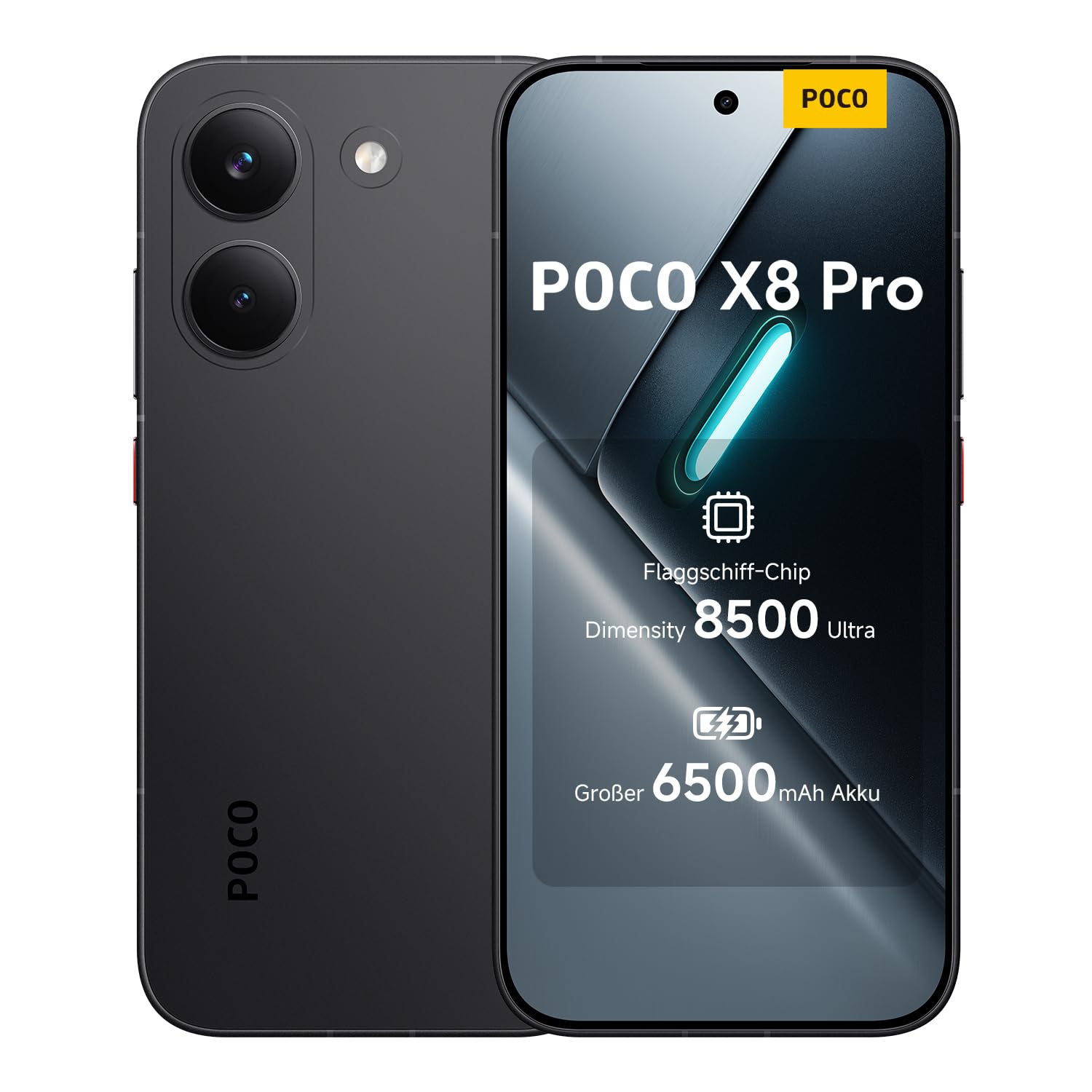
Xiaomi
Poco X8 Pro 5G
- ✓CHIP top pick under €500
- ✓120 Hz AMOLED, 6,000 mAh
- ✓90 W fast charging
Current price & reviews on Amazon
Prices & availability may change.
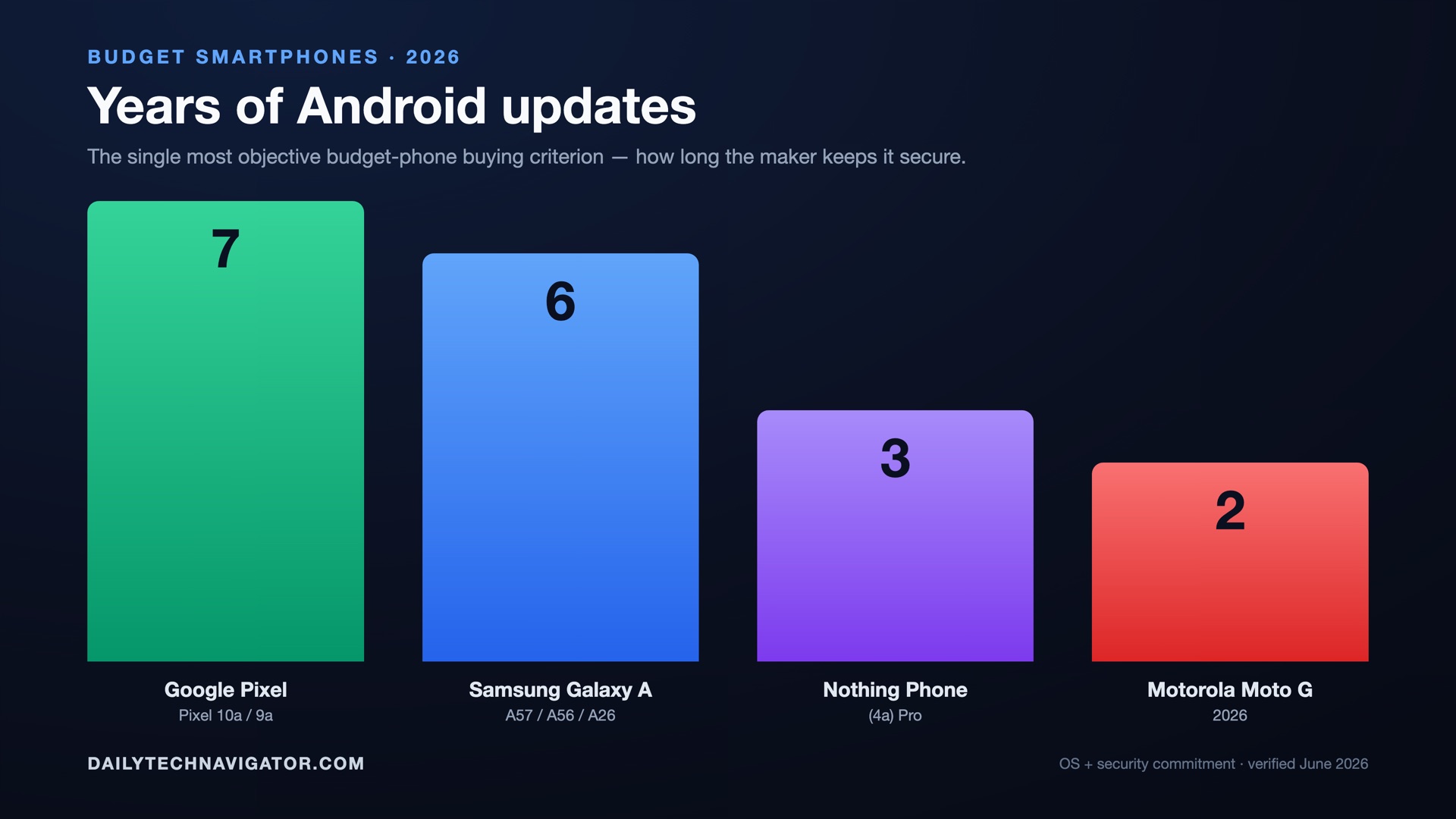
The best budget smartphones in the UK for 2026: Google Pixel 10a (7 years of updates), Samsung Galaxy A57 (6 years), Nothing Phone (4a) Pro as the British-brand hero, and the £219 CMF Phone 2 Pro under £250 — with PSTI Act minimum-support-period context.
Transparency: links marked (*) are affiliate links — if you buy through them we may earn a commission at no extra cost to you. It doesn't change our recommendations.
Prices verified at amazon.co.uk on 1 June 2026 — see Editorial Methodology for how we choose and refresh picks.
Affiliate disclosure: This article uses Amazon Associates programme links. If you click through and buy at Amazon, we earn a small commission at no additional cost to you. Commission rates do not influence our picks.
Short answer: For most UK buyers the Google Pixel 10a (£449–£499, 7 years of updates) is the strongest pick — no other phone matches it on cost per supported year. The British-brand alternative is the Nothing Phone (4a) Pro (£449–£549). The Samsung Galaxy A57 5G is the current Samsung mid-range; the A56 5G is the same 6-year update policy at a meaningfully lower discounted price. Under £250, the CMF Phone 2 Pro at £219 is the standout.
Budget phones in 2026 are very close to flagships on hardware — cameras, displays, battery. What separates a good buy from a bad one is how long the manufacturer will support it with security updates, which the PSTI Act now requires manufacturers to disclose at point of sale. That turns “update years” from marketing fluff into a legally-disclosed, directly-comparable number — and it’s the foundation of every pick below.
| Model | Updates (OS / Sec) | Price band | Chipset | Main camera | Battery / Charge | Display | IP | Best for |
|---|---|---|---|---|---|---|---|---|
| Google Pixel 10a | 7 / 7 years | ~£449–£499 | Tensor G4 | 48 MP + 13 MP UW | 4500 mAh / 23 W | 6.1” OLED 120 Hz | IP68 | Camera + longest updates |
| Nothing Phone (4a) Pro | 3 / 6 years | ~£449–£549 | Snapdragon 7s Gen 3 | 50 MP + 50 MP TV | 5000 mAh / 50 W | 6.77” AMOLED 120 Hz | IP54 | Design + British brand |
| Samsung Galaxy A57 5G | 6 / 6 years | ~£499–£609 | Exynos 1680 | 50 MP + 13 MP UW + 5 MP | 5000 mAh / 45 W | 6.7” AMOLED+ 120 Hz | IP67 | Current Samsung mid-range |
| Samsung Galaxy A56 5G | 6 / 6 years | ~£265–£359 (discounted) | Exynos 1580 | 50 MP + 12 MP UW + 5 MP | 5000 mAh / 45 W | 6.7” AMOLED 120 Hz | IP67 | Best Samsung price-to-updates ratio |
| CMF Phone 2 Pro | 3 / 6 years | ~£219–£249 | Dimensity 7300 Pro | 50 MP + 8 MP UW | 5000 mAh / 33 W | 6.77” AMOLED 120 Hz | IP54 | Best under-£250 Nothing-family |
| Samsung Galaxy A26 5G | 6 / 6 years | ~£199–£229 | Exynos 1380 | 50 MP + 8 MP UW + 2 MP | 5000 mAh / 25 W | 6.7” Super AMOLED 90 Hz | IP67 | Cheapest with long updates |
| Motorola Moto G (2026) | only 2 / 3 years ⚠️ | ~£199–£249 | Dimensity 6300 | 50 MP + 2 MP | 5000 mAh / 30 W | 6.7” LCD 120 Hz | IP54 | Battery + price — but short support |
Prices are bands at amazon.co.uk as of 1 June 2026; they fluctuate daily and are re-verified each quarter.
Short answer: Under the PSTI Act, manufacturers must publish the minimum security-update period at point of sale. The current commitments: Pixel 10a / 9a — 7 years OS + 7 years security; Samsung Galaxy A57 / A56 / A26 — 6 + 6 years; Nothing Phone (4a) Pro & CMF Phone 2 Pro — 3 OS + 6 security; Motorola Moto G (2026) — only 2 OS + 3 security. That last number is the editorial reason to avoid the Moto G at its retail price.
In practice this means: a £499 Pixel 10a over 7 supported years works out to about £71/year of cover. A £200 Galaxy A26 over 6 supported years works out to about £33/year — currently the best value on the UK market by this measure. A £250 Moto G (2026) over 2 OS years ends up nearer £125/year. The maths is the editorial verdict.
Short answer: Two picks worth considering. CMF Phone 2 Pro at ~£219–£249 brings Nothing-family software, a 6.77” 120 Hz AMOLED, MediaTek Dimensity 7300 Pro and competent cameras — by a long way the best-designed phone at this price. Samsung Galaxy A26 5G at ~£199–£229 is the longest-supported phone you can buy in this price band — 6 years of OS + security at £200 is unprecedented value if you want a phone that will last.
The choice between them is design versus longevity. CMF feels like a £400 phone for £220. The A26 gets the same software updates as a £500 A56 / A57. Both are genuine UK-market wins; pick by what you weight.
Short answer: Three buyers, three answers. Pixel 10a for longest support + best camera at £449–£499. Galaxy A57 if you want the current Samsung with brightest display and 45-W charging at ~£499–£609. Galaxy A56 as the deeply discounted Samsung alternative at the same 6-year update policy. Nothing Phone (4a) Pro for design, the British-brand identity and a distinctive Glyph interface.
These are not different quality tiers — they’re different value propositions at a similar price point. UK buyers tend to split along these lines: long-term Pixel users staying with Google; Samsung Galaxy-ecosystem households defaulting to A57 or A56; design-first buyers and Nothing fans picking the (4a) Pro. None of these choices is wrong; the wrong choice is a phone with only 2 years of OS updates.
Short answer: The UK’s Product Security and Telecommunications Infrastructure Regulations 2023 (in force from 29 April 2024) require manufacturers selling smart devices in the UK to publish the defined support period for security updates and make that information available at the point of sale. It’s part of the same regulation that bans default device passwords and mandates a vulnerability-disclosure process.
For phone buyers this means: when you see “minimum 6 years of security updates” on a Samsung box or product page in the UK, that’s not marketing — it’s a regulated disclosure. The numbers in our comparison table all come from those PSTI disclosures (cross-checked against the manufacturer’s official update policy pages). When the manufacturer publishes only a short period — as with Motorola’s Moto G (2026) at 2 OS + 3 security — that’s their PSTI-declared minimum, not an estimate.
The practical use: when you’re comparing phones at the same price, the PSTI number is the most defensible single criterion. We’d rather you buy a phone with 6+ years of guaranteed support than one with 2 years and a slightly better camera.
Short answer: Yes — and arguably the best value Pixel at the moment. Since the Pixel 10a launched in March 2026, the 9a has fallen below £400. The original 7-year update commitment runs through 2032 (unchanged), which means at ~£395 you’re paying about £55 per supported year — the lowest figure on this page. The 10a has better cameras and a slightly faster chip, but if your budget is tight and you want 7 years of Pixel updates, the 9a is the smartest buy in the lineup.
Short answer: We re-verify prices, ASIN availability, and manufacturer update commitments at the start of each quarter and immediately when a new generation ships. This page shows price bands at amazon.co.uk rather than live prices — that keeps the data honest and complies with the Amazon Associates programme rules. The current price for you appears when you click through to Amazon.
Our editorial methodology explains how we choose picks, which sources we weight (TechRadar, Which?, Stuff, T3 + manufacturer PSTI-disclosed update policies), and what we deliberately don’t do (no in-house hands-on testing, no fabricated star ratings, no “we awarded” rosettes). Corrections welcome via the contact address on our imprint page.
This guide covers the UK market (amazon.co.uk). For Germany see DE-Version, for the US see en-US version.
Xiaomi
Current price & reviews on Amazon
Prices & availability may change.
Xiaomi
Current price & reviews on Amazon
Prices & availability may change.
Current price & reviews on Amazon
Prices & availability may change.

Current price & reviews on Amazon
Prices & availability may change.

Nothing
Current price & reviews on Amazon
Prices & availability may change.
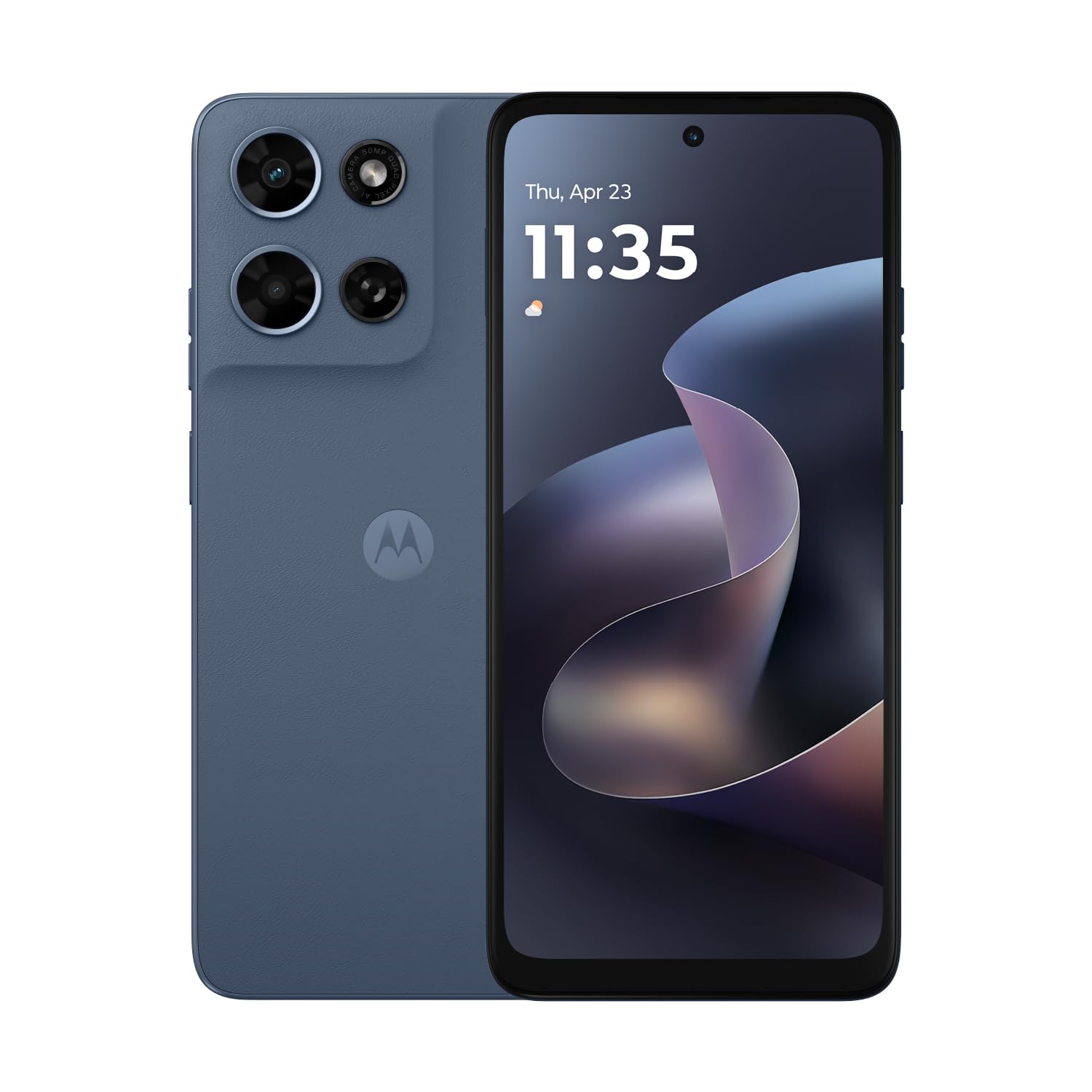
Motorola
Current price & reviews on Amazon
Prices & availability may change.
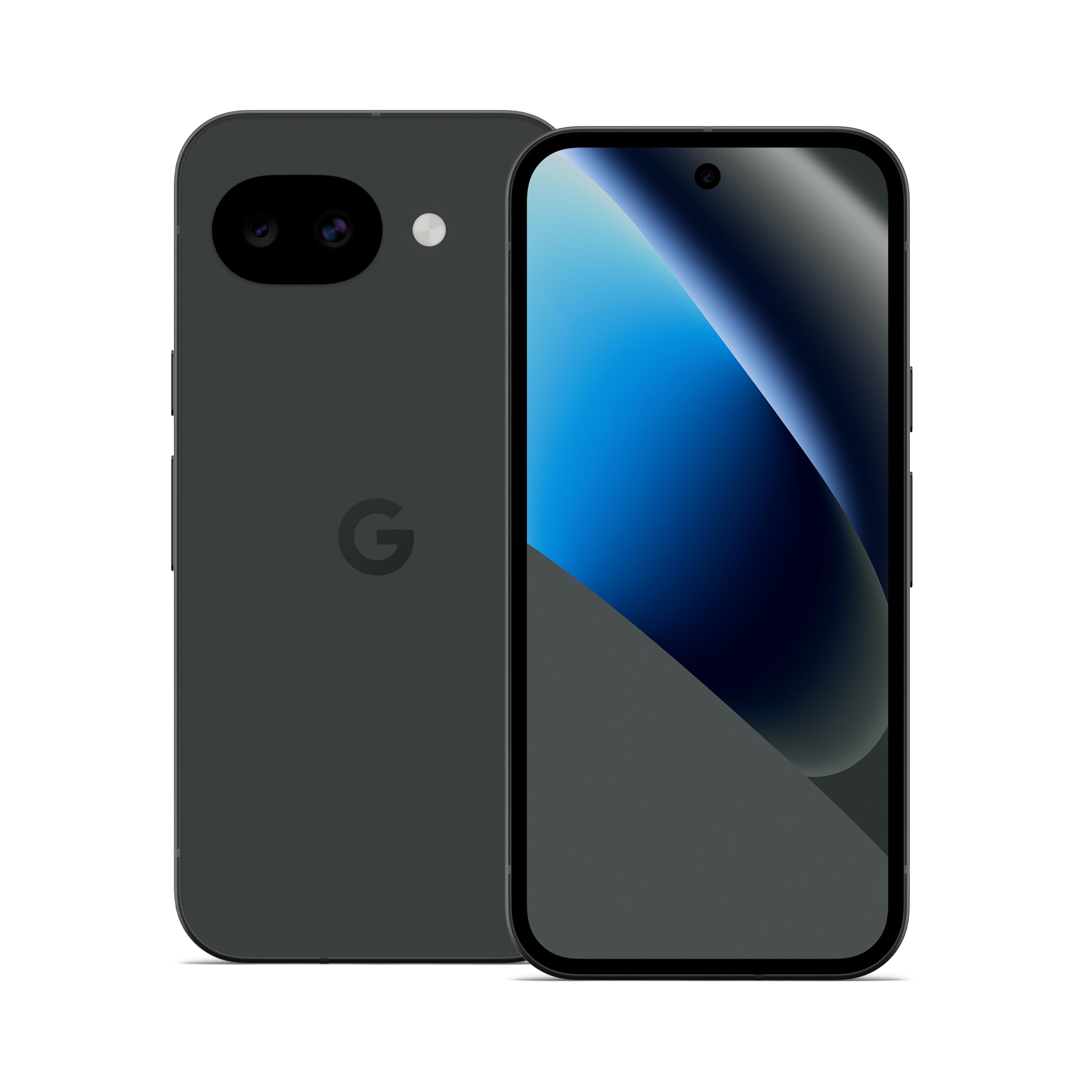
For most UK buyers, the Google Pixel 10a is the strongest pick — 7 years of OS and security updates at £449–£499 makes it the lowest cost per supported year on the market. The British-made Nothing Phone (4a) Pro is the design and brand alternative at the same price. The Samsung Galaxy A57 5G (released April 2026) is the current Samsung mid-range, while the A56 5G is the same update policy at a noticeably lower discounted price.
Under the UK's Product Security and Telecommunications Infrastructure (PSTI) Regulations from 2024, manufacturers selling smart devices in the UK — including smartphones — must publish the minimum period the device will receive security updates, and that information must be available at point of sale. It's a legal floor, not a ceiling: Google publishes 7 years for the Pixel A series, Samsung publishes 6 years for the Galaxy A line, Nothing 6 years security, Motorola 3 years. The PSTI disclosure is what makes 'update years' a comparable, defensible buying criterion in the UK.
If a British-brand identity matters to you, yes — Nothing is the London-based maker with the strongest Android challenger lineup. The (4a) Pro at ~£449–£549 (8/128 and 12/256) brings Snapdragon 7s Gen 3, a 6.77" 120 Hz AMOLED, dual 50 MP camera and the Glyph interface. Update commitment is 3 years OS + 6 years security — the OS gap behind Pixel/Samsung is real, but the design and software experience are genuinely different from anything else at the price.
The CMF Phone 2 Pro (Nothing's sub-brand) at around £219–£249 is the UK standout — Nothing-family software, a 6.77" 120 Hz AMOLED, MediaTek Dimensity 7300 Pro and competent cameras for the price. The Samsung Galaxy A26 5G is the alternative if you want the longest possible update support at this price (6 OS + 6 security years), available from around £200 depending on seller.
Three different buyers. Pixel 10a wins on update length (7 years) and camera, at £449–£499. Galaxy A57 (~£499–£609 by variant) wins on display brightness, 45 W charging and the Samsung ecosystem if you have other Galaxy kit. Nothing Phone (4a) Pro (~£449–£549) wins on design, distinctive software and the British-brand angle. If you're keeping the phone seven years, take the Pixel. If you want top current Samsung, take the A57 (or A56 discounted for the same updates at less money). If design matters, take the Nothing.
Yes — possibly the best value Pixel right now. Since the Pixel 10a launched in March 2026, the 9a has fallen below £400 at high-street prices. Update support runs through 2032 (7 years from launch), so the lower entry price pulls cost-per-supported-year to about £55 — the lowest figure on this page. If you don't need the camera improvements of the 10a, the 9a is the smartest budget Pixel buy.
Keep Reading
Power & Energy
12V or 24V for a 2000W inverter? We compare current draw (~170A vs ~85A), cable size in mm², cost and efficiency — and when 12V is fine vs. when 24V is the clearly better choice.
Power & Energy
What cable size for a 2000W inverter? At 12V the real draw is ~180–200A — we show why 50 mm² is the bare minimum (70 mm² is safer), how to size the fuse and voltage drop, and how to avoid cable fires.
Power & Energy
My 2000W DIY solar setup with LiFePO4 leisure battery, Victron MPPT charge controller and a 400 W foldable panel for around £1,050 — built for more usable capacity and expandability than a similarly-priced pre-built, not for beating one on a 2 kWh sticker price. Complete UK bill of materials, step-by-step wiring, and an honest side-by-side with EcoFlow DELTA 3 Plus and Jackery Explorer 2000 v2.